_edited.png)
What Building Projects You Can Do Without a Building Consent — NZ Beginner Guide

When you’re thinking about building projects around your property in New Zealand, it’s easy to assume that as long as it’s small you don’t need council involvement. But under the Building Act 2004, only certain types of work are legally exempt from requiring a building consent, and even then, there are clear conditions you must meet.
The exemptions are listed in Schedule 1 of the Building Act, and they allow for a range of low-risk building work to proceed without a formal consent as long as the work continues to meet the Building Code and other legal requirements. This can save time and cost, but misunderstanding the exemptions can land you in trouble later.
Here are the key types of work that are generally exempt from needing a building consent:
Detached or Standalone Structures

You can build small detached structures such as sheds, cabins, or sleepouts up to 10 m² net floor area without a consent if they meet the specific conditions in Schedule 1. These are often used for storage, hobbies or outdoor spaces.
General Alterations and Maintenance

Replacing, repairing or maintaining existing building elements (like retouching cladding with similar materials) that don’t alter structural integrity or safety systems are usually exempt.
Outdoor Structures

Pergolas, verandas and shade structures can be built without consent if they fit within the size and siting criteria set in the exemptions. Likewise, platforms and decks that are no more than 1 m above ground fall into this category.
Fences, Retaining Walls and Landscaping Features
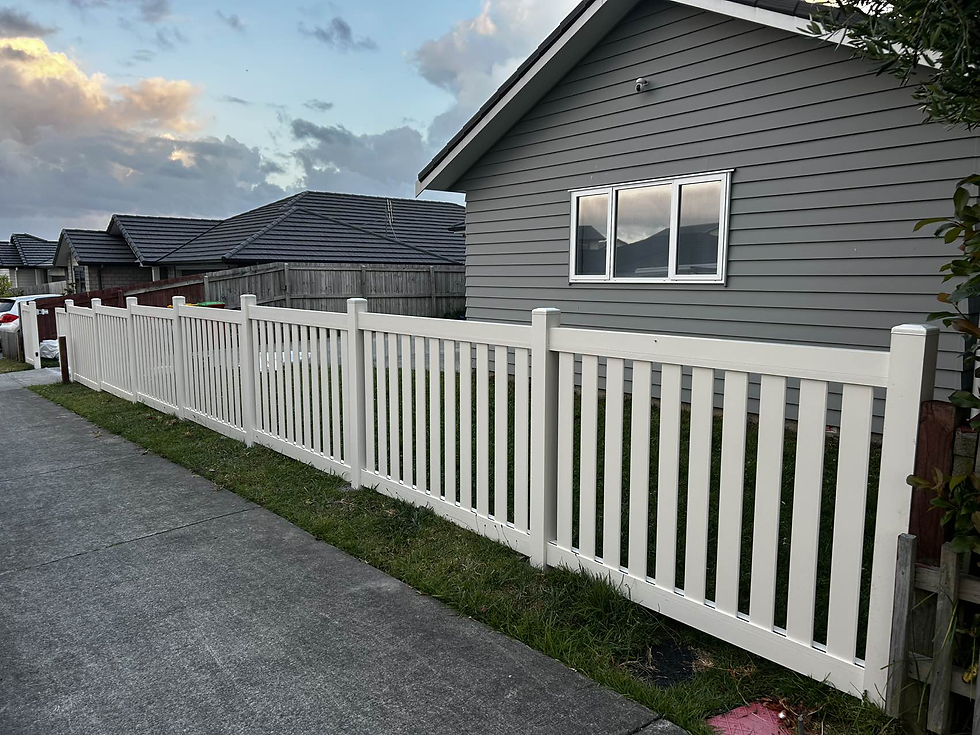
Fences up to 2.5 m in height and smaller retaining walls may be exempt. However, even if building consent isn’t required, you might still need resource consent under local planning rules for things like boundary setbacks or fill.
Interior Non-Structural Work

Installing or modifying non-load-bearing walls, built-in shelving, cabinetry and similar fixtures are typically exempt from consent — as long as they don’t impact structural systems.
Plumbing, Drainage and Other Trades

Some minor plumbing and drainage work may be exempt, but only if it is carried out by a suitably licensed professional such as a registered plumber or drainlayer.
It’s vital to understand what cannot be built without consent too: any work that introduces plumbing fixtures (like a bathroom in a shed), alters the structure of your main dwelling, raises decks more than 1 m above ground, or otherwise doesn’t meet the specific technical and siting requirements will require a building consent.
Even if a project is exempt from building consent, all work still must comply with the Building Code, and other legislation such as the Resource Management Act. That means you still share responsibility for ensuring safety, compliance and good practice.
The rules can be nuanced, and local council planning rules can add another layer of complexity, so it’s always wise to check with a professional or talk to your local council before starting any project. If you want peace of mind, councils can still process a consent application even for work that might be exempt. You can do a quick preliminary check if your project needs a building consent here!


Comments