_edited.png)
Cantilevered Design, Elegance and Efficiency

Cantilevered design has long been associated with bold architecture and modern engineering, but its real strength lies in how quietly functional it can be. At its core, a cantilever is a structure that extends beyond its support, creating the illusion of floating. When done well, it can solve practical design challenges while elevating the overall aesthetic of a home.
From sheltered walkways to space-saving furniture, cantilevers offer opportunities to rethink how space is used — inside and out. Below, we explore several thoughtful ways cantilevered design can be integrated into residential architecture, balancing visual impact with everyday comfort.
1. Protected Walkways That Work With the Climate

In residential design, cantilevers are often used at an upper level to offset the ground floor. This simple move can deliver multiple benefits at once.
An overhanging first floor can provide shelter for walkways and entry points during wet weather, shade north-facing windows, reducing glare and overheating, and create a more layered, architectural façade.
In climates like New Zealand’s, where sun angles and rainfall vary significantly, these overhangs can improve comfort and energy efficiency without relying on add-on structures. Instead of attaching awnings or canopies, the building itself becomes the protection.
2. Small Bump-Outs That Create Meaningful Space

Cantilevers don’t need to be dramatic to be effective. A modest bump-out, often referred to as a cantilevered projection, can add character and usable space without major structural complexity.
These smaller extensions are ideal for window seats or reading nooks, built-in desks or seating, or framing a specific view or bringing in more light.
Because they appear less visually precarious than large overhangs, they integrate seamlessly into both modern and transitional homes. Externally, the space beneath can be softened with planting, adding greenery and depth to the façade. Internally, that extra square metre or two can transform how a room is used.
3. Floating Stairs as a Design Statement
Floating staircases are one of the most recognisable interior cantilevered elements, and for good reason. By eliminating visible supports, they create a sense of openness and lightness that suits contemporary interiors.
When designed correctly, floating stairs can enhance visual flow between levels, reinforce minimalist design principles, and also allow light to pass through the space uninterrupted.

However, aesthetics should never come at the expense of safety. Stairs experience constant movement and load, so material choice and structural rigidity are critical. Steel reinforcement, precision engineering, and compliance with building standards are non-negotiable. A well-executed floating stair should feel as solid as it looks refined.
4. Space-Saving Furniture With a Futuristic Edge

Cantilevered design isn’t limited to architecture. Furniture can also benefit from this approach, particularly in compact homes or apartments.
Cantilevered tables, benches, and shelving:
Remove the need for legs, freeing up floor space
Improve circulation and accessibility
Make rooms feel larger and less cluttered
These designs work especially well in kitchens, dining areas, and study zones where movement matters. The absence of visible supports creates a clean, modern look while delivering genuine functional advantages — a perfect example of form following function.
5. Cantilevered Carports as Architectural Features
At the more ambitious end of the spectrum, cantilevered carports make a strong architectural statement. Extending outward without visible posts, they can dramatically elevate a home’s street presence.
While undeniably striking, these structures require:
Extensive engineering and load calculations
Careful material selection
Higher construction costs than traditional carports
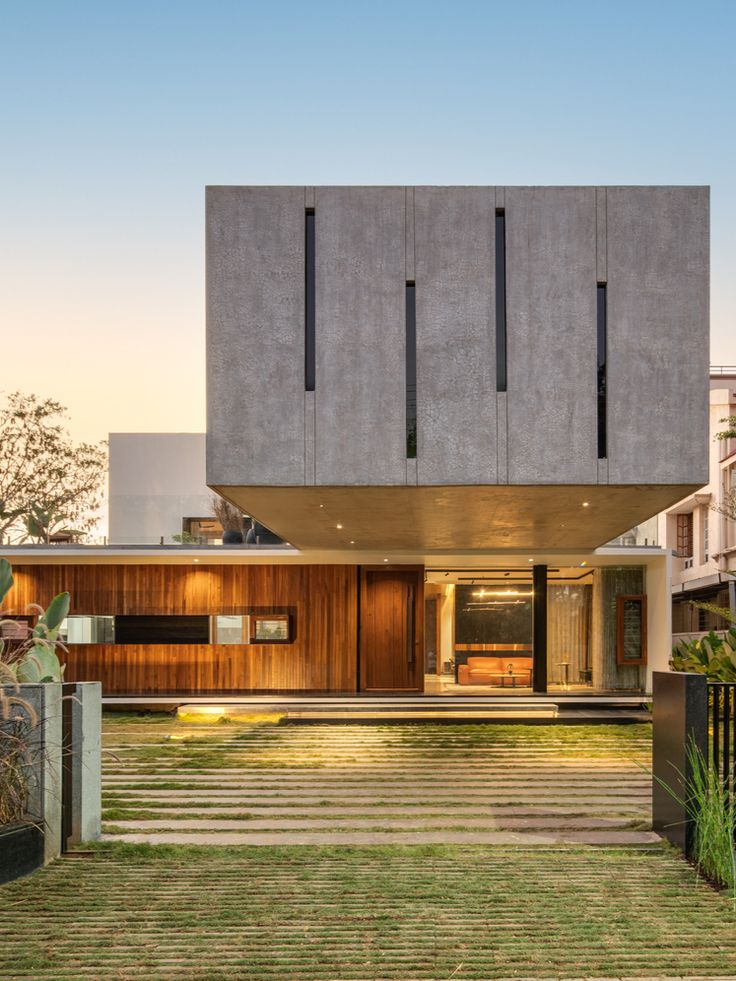
For homeowners willing to invest, the result is a clean, contemporary solution that blends utility with design intent. Rather than feeling like an afterthought, the carport becomes an integrated part of the home’s architecture.
Designing With Intent
Cantilevered design is not about excess or novelty. When used thoughtfully, it enhances how a home functions, feels, and ages over time. Whether it’s a subtle bump-out or a bold structural gesture, the key is intention — understanding why the cantilever exists and what it adds to daily living.
As with any architectural feature, success lies in collaboration between designers, engineers, and builders. When executed well, cantilevered elements can deliver elegance, efficiency, and enduring appeal.
Source: https://www.houzz.co.nz/magazine/live-on-the-edge-with-cantilevered-design-stsetivw-vs~76479055
Images: https://linkmix.co/47985207


Comments