_edited.png)
Before You Build: 5 Top Considerations for Granny Flats
- Bill Zhao

- Dec 16, 2025
- 3 min read
With 2026 aiming to be a choice year for many when it comes to building a granny flat, there are some key considerations to keep in mind so that your plan doesn’t fall flat. Before pulling the trigger, make sure that your new granny flat is not only built to last, but to evolve comfortably in both aesthetic and practical applications.
Consents
While the 2026 regulation changes aim to free up restrictions around granny flat builds nationwide, it doesn’t necessarily mean your ambitious ideas can go forth free of restrictions. In order to qualify for building consent exemption, your proposed granny flat must be 70 square metres or less. Not only that, but it must be built by a licensed professional and be a single storey. Taking a good look at the specifics of the new rules can save you from a lot of back and forth.
→ You can learn more about this changes here.
Balancing Thermals
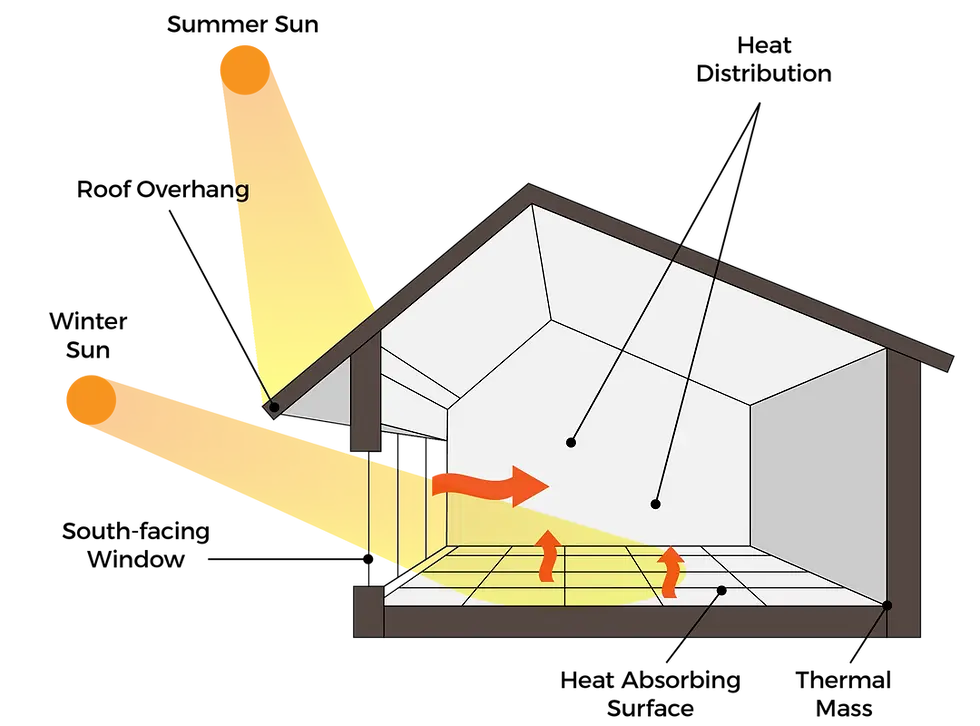

One of the most notable issues to stem from recent medium density builds is the summertime sweats that residents experience. With tight spacing, dense corridors, and few opportunities for ventilation, small builds tend to experience overheating on hot days. A heat pump can help balance out those extreme weather cases, and good insulation can suspend comfortable temps for longer. Also take a good look at where your windows might be – will your home be subject to blazing solar gain in the afternoon, or will it have ample shade against the brilliant summer sun?
Design Compatibility
While your reasons for building a granny flat may vary, it’d still be prudent to keep an eye on how it’ll look when the project’s done. Even if it’s purely for practical reasons, a good aesthetic can complement your existing home and boost value overall. Good flow, attractive cladding, and a smart paint job can make both buildings symbiotically elevate one another. This is especially important if your space is in the front yard instead of the back, since the granny flat may very well be the first thing people see from the sidewalk. If it’s in the back, how does it affect your yard’s navigability and aesthetics?
Site Compatibility
With backyard builds, gaining access is quite critical for both residents and the construction process itself. Oftentimes you’ll be met with tight side paths that make material transportation a real pain. Plan ahead for how builders and future tenants may enter – especially if they need not disturb the main home. Furthermore, sloped backyards or those with distant access to facilities such as plumbing or electricity can result in extra work, which means incurring more costs.

Durability
Much of this comes down to choosing the right tradespeople. If you know of reputable builders, or those you can trust, odds are you’ll gain more transparency and a better building experience, including the quality of their work and material selection. Take this opportunity to mull over and consult about the parts used, and if they’ll meet the demands you imagined of them. Poor build quality can end up costing much more in the future, and can reduce appeal to both family and prospective tenants.
Naturally, the decision to build a granny flat isn’t one that comes lightly. Even with the reduced costs and streamlined process lined up for 2026, granny flats are a big commitment. The footprint can be larger than you might expect. After all, a 70 sqm build with full facilities is no small matter. If you have an irritatingly vacant and unused yard, take a second to consider what you want out of your granny flat before locking it in.
Sources:


Comments